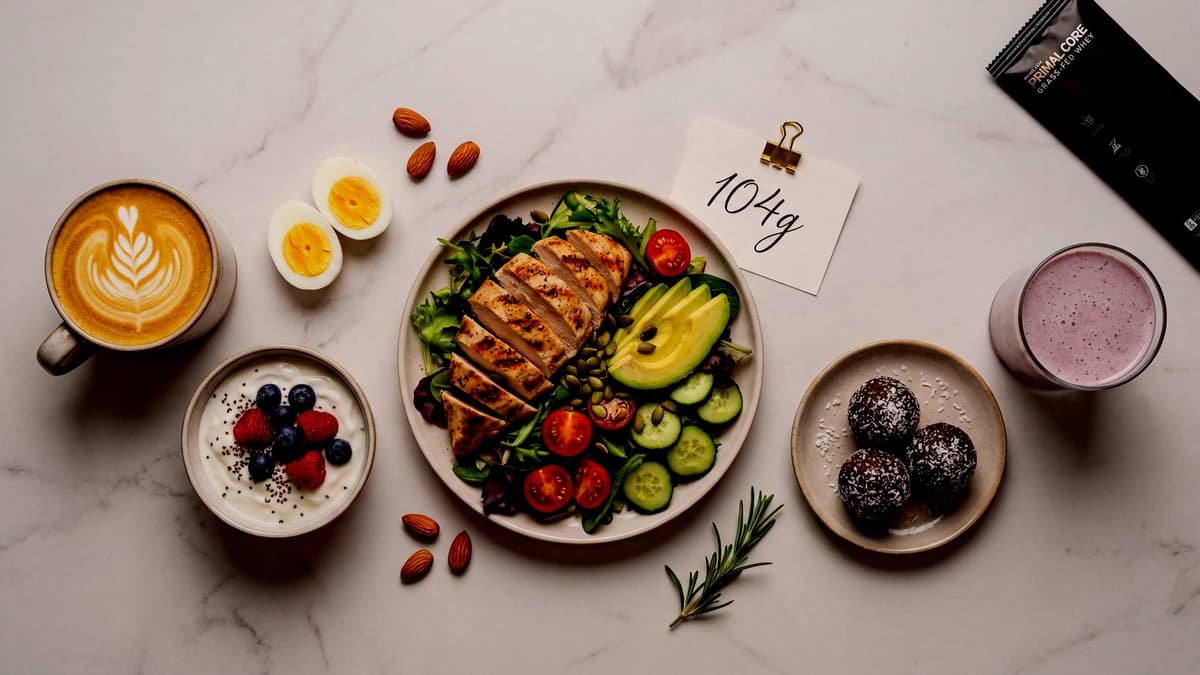
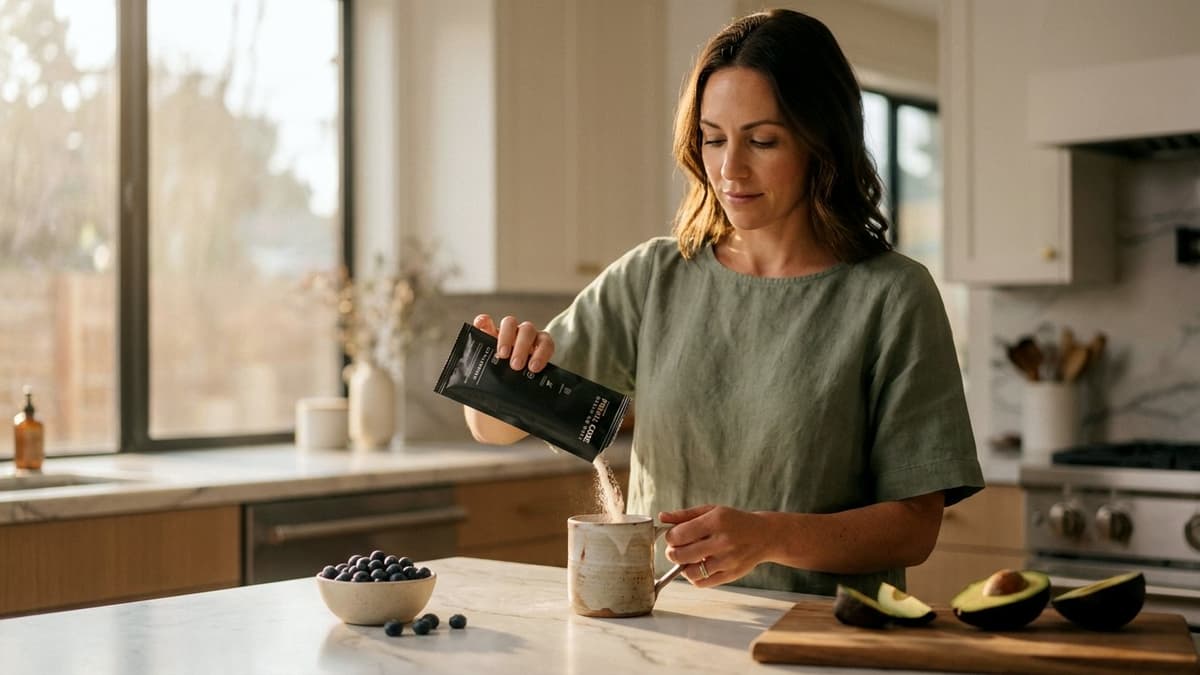
GLP-1 receptor agonist medications like Ozempic, Wegovy, Mounjaro, and Zepbound have transformed the weight loss landscape. Millions of people are finally finding success after years of struggling with stubborn weight. But there is a critical issue that does not get nearly enough attention: muscle loss. And the single most important tool to fight it is something deceptively simple -- getting enough protein every single day.
If you're shopping for these in the EU, check the back of the pack before the front. EU rules require every sweetener to be named on the label, so a snack that says "no added sugar" still has to tell you if it's using sucralose or maltitol instead.
As a certified personal trainer with over 20 years of experience in fitness and nutrition, I have watched this class of medications reshape how we think about weight management. The science behind them is genuinely impressive. But the science also reveals a serious concern that every GLP-1 user needs to understand.
If you are on a GLP-1 medication or considering one, this guide will walk you through exactly why protein matters so much, why it is so hard to get enough while on these medications, and the practical snack strategies that make hitting your targets realistic.
What GLP-1 Medications Are and How They Affect Your Body
GLP-1 receptor agonists -- including semaglutide (Ozempic and Wegovy) and tirzepatide (Mounjaro and Zepbound) -- work by mimicking a natural gut hormone called glucagon-like peptide-1. This hormone signals to your brain that you are full, slows gastric emptying, and helps regulate blood sugar levels.
Here is something fascinating that connects directly to protein: research published in the *British Journal of Nutrition* found that whey protein naturally triggers significantly higher levels of both GLP-1 and CCK (cholecystokinin) -- the same satiety hormones these medications target -- leading to 28% less food intake at a subsequent meal compared to casein protein (Hall et al., 2003). In other words, whey protein and GLP-1 medications are working through overlapping biological pathways.
A follow-up study in *Appetite* added an important nuance: complete whey protein containing glycomacropeptide (GMP) produced even greater increases in GLP-1, higher insulin responses, and greater decreases in ghrelin -- the hunger hormone -- compared to whey with GMP removed (Veldhorst et al., 2009). This tells us that the *type* of whey protein matters. Minimally processed whey concentrate, which retains GMP, works synergistically with your medication rather than against it.
The result of these medications is a dramatic reduction in appetite. Clinical trials have shown average weight loss of 15 to 22 percent of body weight, which is genuinely remarkable. But here is the part that worries physicians and nutrition researchers: up to 30 to 40 percent of the weight lost on GLP-1 medications can come from lean muscle mass rather than fat. That is not just a cosmetic concern. Losing muscle affects your metabolic rate, your bone density, your functional strength, and your long-term health outcomes.
The Muscle Loss Problem: What the Research Actually Shows

When you lose weight rapidly through significant calorie reduction -- which is essentially what GLP-1 medications facilitate -- your body does not exclusively burn fat for energy. It also breaks down muscle tissue. This is especially concerning for people over 40, who are already losing muscle mass naturally at a rate of roughly 3 to 8 percent per decade through a process called sarcopenia.
Research in *Nutrients* explains why this accelerates with age: a phenomenon called "anabolic resistance" means older adults have a blunted muscle protein synthesis response to protein ingestion. They require higher per-meal protein doses -- 35 to 40 grams -- to achieve the same muscle-building response that younger adults get from just 20 grams (Stokes et al., 2018). When you layer GLP-1-mediated appetite suppression on top of age-related anabolic resistance, the risk of muscle loss compounds dramatically.
Dr. Gabrielle Lyon, a physician who specialises in muscle-centric medicine, has been vocal about this issue. She emphasises that skeletal muscle is the organ of longevity and that protecting it during any weight loss intervention should be a top priority. The consensus among metabolic health experts is clear: if you are on a GLP-1 medication, your protein intake needs to be deliberately and significantly higher than what most people naturally consume.
How Much Protein You Actually Need on GLP-1 Medications
The landmark meta-analysis on protein and muscle gain, published in the *British Journal of Sports Medicine*, analysed 49 studies with 1,863 participants and found that protein supplementation significantly increases fat-free mass during resistance training. Benefits plateaued at 1.62 g/kg/day -- the origin of the widely cited "1.6 g/kg" threshold (Morton et al., 2018).
The International Society of Sports Nutrition recommends active adults consume 1.4 to 2.0 grams of protein per kilogram of body weight daily (Jager et al., 2017). During caloric restriction -- which describes virtually every GLP-1 user -- the ISSN notes that higher intakes of 2.3 to 3.1 g/kg of fat-free mass may be needed to maintain lean tissue.
Most doctors and registered dietitians working with GLP-1 patients now recommend 60 to 120 grams of protein per day, depending on body weight, activity level, and individual goals. A common guideline is approximately 1.2 to 1.6 grams of protein per kilogram of body weight.
To put this in perspective, the average person on a GLP-1 medication who is eating significantly less food might naturally consume only 30 to 50 grams of protein per day without deliberate effort. That gap between what you are getting and what you need is where muscle loss accelerates.
A review in the *American Journal of Clinical Nutrition* confirmed that higher-protein diets (1.2 to 1.6 g/kg/day) increase satiety hormones like GLP-1 and PYY while suppressing the hunger hormone ghrelin (Leidy et al., 2015). This means adequate protein intake actually *supports* the appetite-regulating effects of your medication rather than working against them.
The Unique Challenges of Eating Enough Protein on GLP-1s
Understanding why protein matters is the easy part. Actually consuming enough of it while on a GLP-1 medication is where most people struggle, and for very real physiological reasons.
Dramatically reduced appetite. The very mechanism that makes these medications effective for weight loss -- appetite suppression -- makes it genuinely difficult to eat enough of anything, let alone prioritise protein-dense foods.
Nausea and gastrointestinal sensitivity. Nausea is one of the most commonly reported side effects of GLP-1 medications, particularly in the early weeks and after dose increases. Heavy, rich, or large meals tend to make this worse.
Slower gastric emptying. GLP-1 medications slow down how quickly food moves through your digestive system. Large, dense meals can cause bloating, discomfort, and a prolonged feeling of heaviness.
Reduced meal frequency. Many people on GLP-1s naturally shift from three meals a day to one or two, simply because they are not hungry. Fewer meals means fewer opportunities to include protein.
The solution is not to force yourself to eat large protein-heavy meals. The solution is to rethink your approach entirely -- and this is where smart, GLP-1 friendly protein snacks become essential.
Why Protein Sachets Solve the GLP-1 Protein Problem
Single-serving protein sachets address many of the practical challenges GLP-1 users face.
Precise portion control. When your appetite is unpredictable, having a pre-measured protein source removes the guesswork. You know exactly how many grams of protein you are getting without weighing or measuring.
Gentle on the stomach. A protein shake mixed with water is far easier to consume and digest than a heavy meal. For many GLP-1 users experiencing nausea, a liquid protein source is significantly better tolerated than solid food.
Quick and convenient. On days when your appetite window is narrow, a sachet you can mix in 30 seconds means you are not wasting precious appetite time on meal preparation.
Our Primal Core grass-fed whey protein sachets were designed with exactly this use case in mind -- clean, single-ingredient whey, low lactose for sensitive stomachs, and individually portioned for consistency.
Why Protein Balls Are the Ideal GLP-1 Friendly Snack
While shakes handle liquid protein intake, sometimes you want something you can chew -- something that feels like an actual snack.
Compact and calorie-efficient. A good protein ball packs meaningful protein into a very small format. You do not need to eat a large volume of food to get the benefit.
Easy to eat incrementally. Unlike a full meal, protein balls are naturally bite-sized. You can eat one or two, wait, assess how your stomach feels, and have another later. This kind of flexible, incremental eating works best on GLP-1 medications.
Whole food ingredients. The best protein balls use real, recognisable ingredients -- nuts, seeds, oats, clean protein sources, and minimal processing. GLP-1 users consistently report that whole food options are better tolerated than highly processed alternatives.
A randomised controlled trial showed whey protein is more satiating in the short term than casein, producing significantly higher levels of the appetite-suppressing hormones CCK and GLP-1 in overweight and obese subjects (Pal et al., 2014). This means whey-based protein balls are working with your medication's mechanism of action.
Crumb Balls were developed as whole-food protein balls with clean, simple ingredients -- making them a practical choice for anyone who needs to maximise protein in a small, stomach-friendly format.
Practical Tips: Timing and Distributing Protein on GLP-1 Medications
A 2018 review in the *Journal of the International Society of Sports Nutrition* recommends distributing protein intake across at least four meals of 0.4 g/kg each to maximise muscle growth (Schoenfeld & Aragon, 2018). Here are strategies for making that work on GLP-1 therapy.
Spread protein across 4 to 5 smaller portions throughout the day. Rather than trying to consume 30 to 40 grams in a single sitting -- which can be overwhelming on a suppressed appetite -- aim for 15 to 25 grams across four or five eating occasions.
Prioritise protein at every eating occasion. When your total food intake is limited, every bite counts. Eat the protein portion of your meal first, before filling up on lower-priority foods.
Time protein around your medication schedule. Most GLP-1 injections are administered weekly. Many users notice that appetite suppression and nausea are strongest in the first two to three days after injection. Lean more heavily on easy-to-digest protein sources like shakes during this window.
Use the morning window wisely. Many GLP-1 users report slightly better appetite in the morning. Front-load your protein intake. A protein shake or a couple of protein balls with your morning coffee sets a strong foundation.
Keep GLP-1 friendly protein snacks accessible at all times. The biggest enemy of adequate protein intake is inconvenience. Keep protein sachets in your desk drawer, protein balls in your bag, and ready-to-eat options in your fridge.
Do not neglect resistance training. Exercise and protein work synergistically. Resistance training sends a powerful signal to your body to preserve and build muscle. Combined with adequate protein, it is the most effective strategy to ensure the weight you lose on GLP-1 medications comes primarily from fat rather than muscle.
A Sample Day of GLP-1 Friendly Protein Intake
Here is what a realistic day might look like for someone on a GLP-1 medication aiming for roughly 80 to 100 grams of protein:
- Morning (7-8am): Protein shake made with one sachet of whey protein and water or almond milk -- approximately 20 to 25 grams of protein
- Mid-morning (10am): Two protein balls -- approximately 10 to 12 grams of protein
- Lunch (12-1pm): Small portion of grilled chicken or fish with vegetables -- approximately 25 to 30 grams of protein
- Afternoon (3-4pm): One protein ball and a small handful of nuts -- approximately 8 to 10 grams of protein
- Evening (6-7pm): Eggs or a light protein-based meal -- approximately 20 to 25 grams of protein
This approach prioritises frequency over volume, uses a combination of liquid, snack, and whole food protein sources, and respects the reality of living with a suppressed appetite.
Resistance Training: The Essential Partner to Protein
Protein alone is not enough to fully protect muscle mass on GLP-1 medications. Resistance training is the other half of the equation -- and the combination is far more powerful than either intervention alone.
A 2023 systematic review published in *Obesity Reviews* analysed outcomes of GLP-1 users who combined medication with structured resistance training. The findings were striking: participants who trained 2 to 3 times per week while maintaining high protein intake preserved significantly more lean body mass compared to those who relied on medication alone. In some studies, the lean mass loss dropped from 35 to 40 percent of total weight lost down to less than 15 percent.
The mechanism is straightforward. Resistance training creates a direct stimulus for muscle protein synthesis -- it tells your body that muscle tissue is being used and must be maintained. When you pair that stimulus with adequate protein, your muscles have both the signal and the raw material they need to resist breakdown.
You do not need an extreme gym routine. For GLP-1 users, the following approach is supported by the evidence:
- Frequency: 2 to 3 sessions per week, focusing on major muscle groups
- Exercises: Compound movements like squats, lunges, push-ups, rows, and deadlifts (even bodyweight or light resistance band versions)
- Intensity: Enough resistance to fatigue the muscle within 8 to 15 repetitions
- Protein timing: Consume 25 to 35 grams of protein within 2 hours of training (one whey sachet is ideal)
If you are new to resistance training, even 20-minute sessions twice a week can make a measurable difference in lean mass preservation.
Troubleshooting Common Protein Challenges on GLP-1
Even with the best intentions, GLP-1 users face real obstacles when trying to increase protein intake. Here are the most common challenges and practical solutions:
"I feel nauseous even looking at food." This is most common in the first few weeks and around injection days. Liquid protein is your best friend here. A single whey sachet mixed with cold water or blended into a smoothie with ice delivers 24 grams of protein in a form that is much easier to tolerate than solid food. Sip it slowly over 30 minutes rather than drinking it all at once.
"I can only eat a few bites before I feel full." This is the medication working as intended, but it makes protein prioritisation critical. Follow the "protein first" rule: always eat the protein component of your meal before anything else. If you can only eat half your plate, make sure the protein is the half you finish.
"I forget to eat entirely." Appetite suppression can be so effective that meals are simply forgotten. Set reminders on your phone for protein intervals -- every 3 to 4 hours is ideal. Keep pre-portioned protein snacks (sachets, protein balls, hard-boiled eggs) visible and accessible so there is zero friction between the reminder and the action.
"My protein powder makes me feel worse." This is almost always caused by additives, not the protein itself. Artificial sweeteners, gums, and soy lecithin are known to cause GI distress that is amplified by the slower gastric emptying caused by GLP-1 medications. Switch to a single-ingredient whey with zero additives -- the difference is usually immediate and dramatic.
"I am losing weight but feeling weak." This is a warning sign of excessive lean mass loss. Increase protein to the upper end of the range (1.6 g/kg/day), add or increase resistance training, and speak with your prescribing physician about potentially adjusting your dosage. Tracking strength markers (grip strength, ability to do push-ups, stair climbing ease) can help you monitor muscle health between body composition measurements.
The Bottom Line
GLP-1 medications are powerful tools for weight loss, but they come with a responsibility to actively protect your muscle mass throughout the process. Protein is not optional on these medications -- it is arguably the single most important nutritional priority you have.
The research is clear: whey protein naturally stimulates the same GLP-1 and CCK pathways that your medication targets, adequate daily protein preserves lean tissue during caloric restriction, and distributing intake across multiple small portions maximises both muscle protein synthesis and digestive comfort.
The key is making protein intake as easy, convenient, and stomach-friendly as possible. Protein sachets and protein balls are practical solutions to a very real problem that millions of GLP-1 users face every day.
Start by calculating your daily protein target based on your body weight and the 1.2 to 1.6 g/kg guideline. Track your intake for a few days to see where you actually stand. Then build a system of convenient, pre-portioned protein sources that you can reach for at any time, regardless of how your appetite feels that day.
If you are a woman over 40 on GLP-1 therapy, the protein conversation becomes even more important due to the combined effects of medication-induced weight loss and age-related muscle decline. Our guide on why women over 40 need more protein covers the specific considerations for this group in detail.
Your medication is doing its job by helping you lose weight. Your job is to make sure the weight you lose is fat, not the muscle your body needs for a long, strong, and active life.
Frequently Asked Questions
Is Primal Core whey protein GLP-1 friendly?
Yes. Primal Core is an excellent choice for anyone on GLP-1 medications like semaglutide (Ozempic, Wegovy) or tirzepatide (Mounjaro). With 24g of protein per single-ingredient sachet and zero fillers, it helps you hit the 60–120g daily protein target that doctors recommend to preserve muscle mass during GLP-1 weight loss. The individual sachets make portion control effortless.
Are Crumb Balls suitable for GLP-1 users?
Yes. Crumb Balls are ideal for anyone on GLP-1 medications like Ozempic or Wegovy. They are small, calorie-dense, high in protein, and easy to eat when appetite is low.
Are Crumb Balls a good alternative to protein bars?
Yes. Most protein bars contain 10-20 ingredients including seed oils, artificial sweeteners, and emulsifiers. Crumb Balls have 4 whole-food ingredients and deliver real protein without the gut disruption.
Are protein balls healthier than protein bars?
Generally, yes - and it comes down to ingredients. Most protein bars rely on sugar alcohols (maltitol), seed oils, soy protein isolate, and binding agents. Protein balls like our Crumb Balls use whole-food ingredients: real nut butters, raw honey, and grass-fed whey. You get cleaner macros, better digestion, and no ultra-processed fillers.
Sources & References
- 1.Casein and whey exert different effects on plasma amino acid profiles and gastrointestinal hormone secretion - British Journal of Nutrition (2003)
- 2.Veldhorst et al. (2009) – Whey GMP, GLP-1, and energy intake
- 3.The role of protein in weight loss and maintenance - American Journal of Clinical Nutrition (2015)
- 4.Morton et al. (2018) – Protein supplementation meta-analysis
- 5.Jager et al. (2017) – ISSN Position Stand on protein and exercise
- 6.Pal et al. (2014) – Whey vs casein satiety in overweight adults
- 7.Schoenfeld & Aragon (2018) – Protein per meal for muscle building
- 8.Dietary protein and the promotion of muscle hypertrophy with resistance exercise - Nutrients (2018)