
Muscle recovery is just as crucial as the workout itself. Without proper nutrition after training, you are leaving gains on the table and increasing your risk of injury. But the science of post-workout nutrition has evolved significantly in recent years, and much of the conventional wisdom people still follow is outdated.
After two decades of training and working with clients at every level, I want to set the record straight on what the research actually shows about protein, recovery, and the so-called "anabolic window."
What Happens to Your Muscles After Training?
Resistance exercise creates microscopic tears in muscle fibers. This is not damage in the negative sense -- it is the stimulus your body needs to adapt and grow stronger. But rebuilding requires raw materials, and the primary building blocks are amino acids from dietary protein.
Three key processes happen during recovery:
- Muscle protein synthesis (MPS): Your body builds new muscle protein to repair and reinforce the damaged fibers. This process is directly stimulated by amino acid availability, particularly the branched-chain amino acid leucine.
- Glycogen replenishment: Your muscles refill their energy stores from carbohydrate intake.
- Inflammatory resolution: The acute inflammation from training gradually resolves, allowing tissue remodeling.
Adequate protein intake accelerates all three of these processes, shifting your body from a catabolic (breakdown) state to an anabolic (building) state.
The Anabolic Window: What Science Actually Says

For years, the fitness industry preached that you had a 30-to-60-minute "anabolic window" after training, and that missing it would cost you gains. This created an entire culture of people frantically chugging shakes in the gym parking lot.
Here is what the research actually shows:
A landmark meta-analysis published in the *Journal of the International Society of Sports Nutrition* analyzed the combined data from multiple studies and found no significant effect of protein timing on muscle strength or hypertrophy when total daily protein intake was controlled for. The authors stated that their results "refute the commonly held belief that the timing of protein intake in and around a training session is critical to muscular adaptations" (Schoenfeld et al., 2013).
A separate comprehensive review by the same researchers found that the post-exercise anabolic window is far wider than previously believed -- likely extending 4 to 6 hours, not 30 to 60 minutes. For most people, consuming adequate protein across the day matters significantly more than rushing to drink a shake immediately post-workout (Schoenfeld & Aragon, 2013).
What does this mean practically? If you ate a protein-rich meal two hours before training, your body still has amino acids circulating when you finish. You do not need to panic about timing. The priority is hitting your total daily protein target through consistent meals and snacks.
That said, if you train fasted (first thing in the morning with no food), getting protein within a couple of hours post-workout becomes more important because your amino acid availability is genuinely low.
How Much Protein Per Meal for Recovery?
The dose-response question has been studied extensively:
The 20g baseline. The original dose-response study published in the *American Journal of Clinical Nutrition* found that 20 grams of protein maximally stimulated muscle protein synthesis after resistance exercise in young men weighing approximately 80 kg. Doses above 20g increased amino acid oxidation (protein burned for energy) without additional muscle-building benefit (Moore et al., 2009).
The 20g whey confirmation. A separate study confirmed that a 20-gram dose of whey protein specifically maximally stimulated MPS in resistance-trained men, with 40g increasing protein oxidation and urea production without additional anabolic benefit (Witard et al., 2014).
The whole-body training exception. An important 2016 study challenged the 20g ceiling. After whole-body resistance exercise (rather than single-muscle-group work), 40 grams of whey protein stimulated significantly greater MPS than 20 grams, regardless of body size. This suggests the 20g maximum may only apply to isolated-muscle-group workouts (Macnaughton et al., 2016).
The per-meal recommendation. A 2018 review in the *Journal of the International Society of Sports Nutrition* synthesized this research and recommended distributing protein intake at 0.4 g/kg/meal across a minimum of four meals daily -- totaling approximately 1.6 g/kg/day -- to maximize muscle anabolism (Schoenfeld & Aragon, 2018).
For most people, that translates to 20-40 grams of protein per meal, depending on body weight and training type.
Why Whey Protein Is the Gold Standard for Recovery
Not all proteins are created equal when it comes to stimulating muscle repair. Research from McMaster University published in the *Journal of Applied Physiology* found that whey protein stimulated muscle protein synthesis 122% more than casein and 31% more than soy after resistance exercise. Whey's rapid digestion and high leucine content drive this superior anabolic response (Tang et al., 2009).
This does not mean casein and soy are useless -- they absolutely contribute to total daily protein intake. But if you are choosing one protein source specifically to support post-workout recovery, whey has the strongest evidence base.
The key quality factors to look for in a recovery-focused whey protein:
- High leucine content: Leucine is the primary amino acid trigger for muscle protein synthesis. Whey naturally provides more leucine per gram than any other common protein source.
- Minimal processing: Cold-filtered whey retains bioactive compounds (lactoferrin, immunoglobulins, GMP) that support immune function and gut health alongside muscle recovery.
- No artificial additives: Clean whey without sucralose, gums, or fillers is easier to digest -- particularly important when your gut is already stressed from intense training.
High-Protein Foods to Support Recovery
While a whey protein shake is convenient, whole foods should form the foundation of your recovery nutrition:
Eggs -- Providing 12-18g of protein per serving (2-3 eggs). One of nature's most complete protein sources, with all essential amino acids and additional nutrients like choline that support recovery.
Greek yogurt with fruit -- Rich in slow-digesting casein protein (15-20g per serving). Excellent for sustained amino acid delivery over several hours, especially before bed.
Lean poultry or fish -- 25-35g of protein per palm-sized portion. Salmon adds anti-inflammatory omega-3 fatty acids that support recovery.
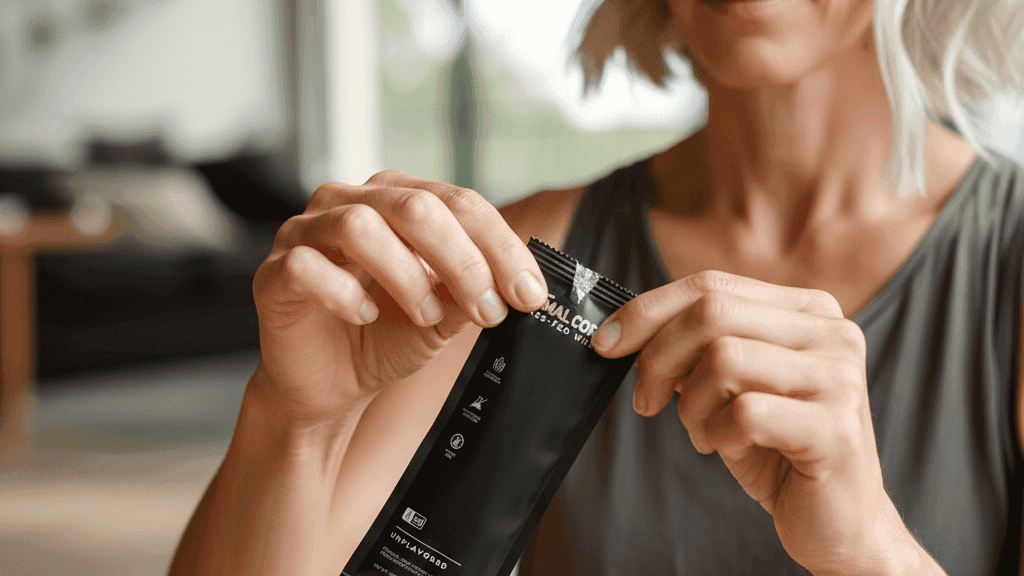
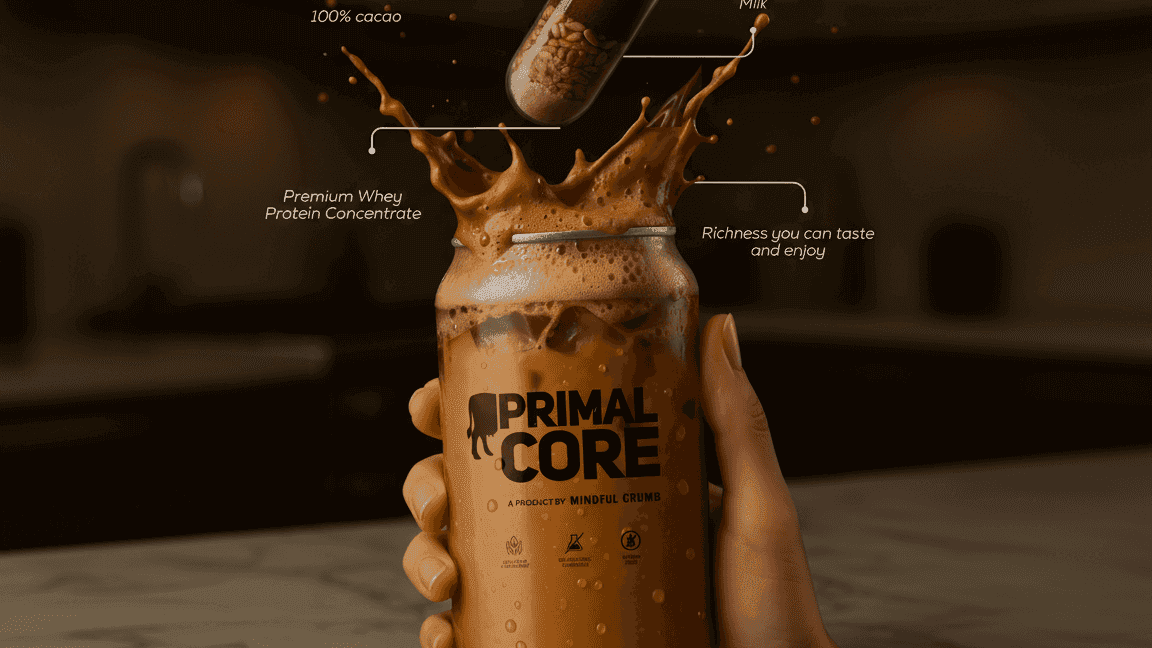
Mindful Crumb's Primal Core Whey -- 30g of clean, grass-fed protein per sachet with no fillers, sweeteners, or additives. Mixes instantly in water, milk, or coffee for the fastest protein delivery when whole foods are not practical.
Practical Recovery Nutrition Strategy
Based on the current research, here is a straightforward approach to recovery nutrition:
If You Ate 2-3 Hours Before Training:
- No need to rush protein post-workout. You still have circulating amino acids.
- Aim to eat a protein-rich meal within 2-3 hours after finishing.
If You Trained Fasted:
- Prioritize protein within 1-2 hours post-workout.
- A whey shake is the fastest option when time is tight.
Regardless of Timing:
- Hit your daily target: 1.6 g/kg/day as a baseline for active individuals.
- Distribute evenly: 20-40g per meal across 3-4 meals throughout the day.
- Combine protein with carbohydrates to replenish glycogen stores -- especially after intense or prolonged training.
- Maintain hydration throughout the recovery period. Dehydration impairs protein synthesis.
The Bottom Line
What you do after the workout is genuinely as important as what you do in the gym. But the science has moved past the panic-inducing 30-minute window myth. Your recovery nutrition strategy should focus on three priorities, in order of importance:
- Total daily protein intake (1.6 g/kg/day minimum for active individuals)
- Even protein distribution across meals (20-40g per meal)
- Protein quality (whey outperforms other sources for MPS stimulation)
Get these three right consistently, and the exact minute you consume your post-workout protein becomes a minor detail rather than a make-or-break factor.
The whey I use after training is Primal Core grass-fed whey: one ingredient, 24g of protein a sachet, shipped across the EU.
Keep Reading
Looking for convenient post-workout protein ideas? Check out our high-protein snacks for gym-goers for quick, portable options. And for a refreshing recovery drink you can make in minutes, try our protein hydration drink recipe.
Frequently Asked Questions
How much protein is in each Primal Core sachet?
Each 30g sachet contains approximately 24g of protein, less than 2g of fat, and under 3g of carbohydrates. The exact macros are on every sachet and product page.
Is whey concentrate or isolate better?
Concentrate is superior for overall health. Whey isolate undergoes aggressive processing that strips out immunoglobulins, lactoferrin, and other bioactive compounds - the very things that make whey a functional food beyond just protein content. Concentrate retains the full spectrum of beneficial proteins, growth factors, and immune-supporting compounds. Isolate has slightly more protein per gram (90% vs 80%), but you lose the gut health, immune, and anti-inflammatory benefits.
What is the best protein for gut health?
Grass-fed whey protein concentrate is one of the best options for gut health. Unlike isolate, concentrate retains immunoglobulins, lactoferrin, and other bioactive compounds that support the gut lining and microbiome. The key is avoiding common gut irritants found in most protein powders: artificial sweeteners, thickening gums, soy lecithin, and seed oils. Primal Core contains none of these - just pure grass-fed whey.
What is in Primal Core whey protein?
Exactly one ingredient: grass-fed whey protein concentrate from pasture-raised cows. No sweeteners, no flavoring, no emulsifiers, no gums, no fillers. It is the cleanest whey protein you can buy.
Why does whey protein cause bloating and how is yours different?
Most whey proteins cause bloating due to added ingredients: artificial sweeteners (sucralose, acesulfame-K), thickening gums (xanthan, guar), soy lecithin, and excess lactose from low-quality processing. Primal Core avoids all of these. It's a single-ingredient, gently processed concentrate with naturally lower lactose levels, which is why customers consistently report zero bloating.
Sources & References
- 1.Schoenfeld et al. (2013) - The effect of protein timing on muscle strength and hypertrophy: a meta-analysis. JISSN.
- 2.Schoenfeld & Aragon (2013) - Nutrient timing revisited: is there a post-exercise anabolic window? JISSN.
- 3.Moore et al. (2009) - Ingested protein dose response of muscle and albumin protein synthesis after resistance exercise. Am J Clin Nutr.
- 4.Tang et al. (2009) - Ingestion of whey hydrolysate, casein, or soy protein isolate: effects on muscle protein synthesis. J Appl Physiol.
- 5.Witard et al. (2014) - Myofibrillar muscle protein synthesis rates in response to increasing doses of whey protein. Am J Clin Nutr.
- 6.Macnaughton et al. (2016) - The response of MPS following whole-body resistance exercise is greater following 40g than 20g of whey. Physiological Reports.
- 7.Schoenfeld & Aragon (2018) - How much protein can the body use per meal for muscle-building? JISSN.